What are Chatbots?
Chatbots are “computer programs simulating human conversation typically over the internet”. This can apply to both voice and text. The first chatbot, ELIZA, was introduced in 1966 by Joseph Weizenbaum which was capable of natural language processing. The second chatbot, PARRY was introduced in 1972. These first 2 chatbots had a conversation that at best was odd – check it out in the linked article.
Types of Chatbots:
Transactional (or set guidelines) chatbot – This is similar to functionality of a directed dialog IVR where there are predefined options. We see this oftentimes in retail customer service for inquiries about our recent orders or banking when we want to perform a predictable action such as check a balance or transfer money.
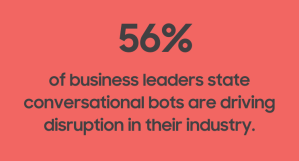
Conversational (or machine learning) chatbot – This type of chatbot leverages natural language processing and is conversational. It needs to be contextually aware. It can self-learn new dialogues and words. Examples include ordering a pizza or booking a flight. According to Accenture, 56% of business leaders surveyed stated that conversational bots were driving disruption in their industry.
How are Chatbots Used?
Chatbots are leveraged for multiple reasons including sales (41%), support (37%), and marketing (17%) – Intercom. Customer adoption of chatbots has increased dramatically over the last year. In 2019, 17.1% of customers were willing to use chatbots for purchases. This rose to 41.3% in 2020 (Salesforce). Since TD Ameritrade introduced text and voice chatbots in 2017, they haven’t had to hire any new human agents even with additional clients (WSJ). Chatbots can be used internally within your organization providing IT support as well as HR support. IBM is leveraging Watson AI to handle about 40% of the inquiries from their 350K employees – resulting in not having to backfill HR representatives (WSJ). According to Gartner, by 2022, 70% of office workers will interact with conversational platforms daily.
The chatbot market size is projected to jump from $2.6 billion in 2019 to $9.4 billion by 2024 with a CAGR of 29.7% (Drift). As a result, retail spend via chatbot will increase from $2.8 billion in 2019 to $142 billion in 2024 (Business Insider). It’s estimated that 73% of healthcare administrative tasks could be automated by AI including chatbots. 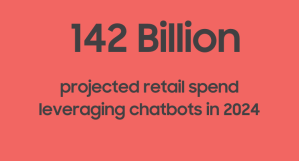
How to Get Started
- Identify where you are going to use chatbots: Determine where you are going to leverage chatbots for your initial launch. Will it be sales, service or marketing or for internal processes? I recommend launching them for internal support such as IT support or HR first as you are learning the technology and how to apply to your environment. This will enable a very controlled rollout and lower risk.
- Determine the type of chatbot you will be leveraging: Will you want to introduce the transactional (set guideline) chatbot or conversational chatbot or try them both? Both have benefits and can enhance your business.
- Identify Reasons for contact that you will be automating: Identify the top reasons for contact. For each reason of contact, determine how easily the contact can be automated (if at all). Once you have mapped the level of effort of automation and the reasons for contact, determine which use cases you can automate first with chatbots and then expand to additional use cases.
- Determine your KPIs: Determine what you want to measure with your chatbot implementation. Depending on your chatbot implementation, you may want to reduce the amount of transfers, increase knowledgebase consumption to deflect contacts or complete transactions and increase sales. Create reporting to be able to measure your KPIs that you define.
- Build your chatbots and tune: The majority of companies look to external vendors when implementing conversational chatbots. Identify your partner for implementation and how you will measure success. Once you rollout, listen to the voice of the customer and tune as needed.


Leave a Reply